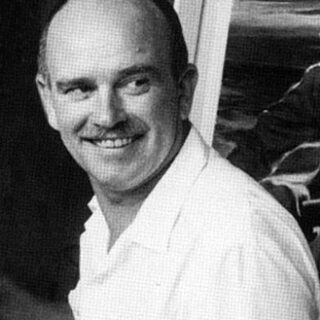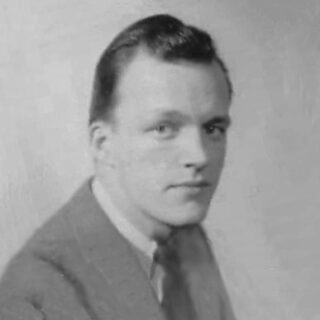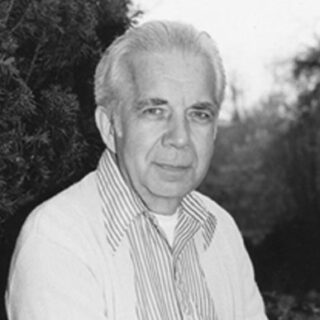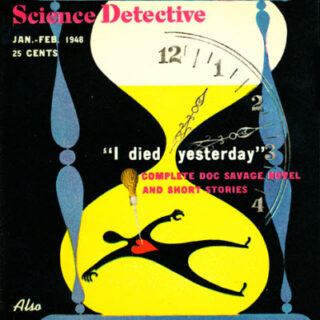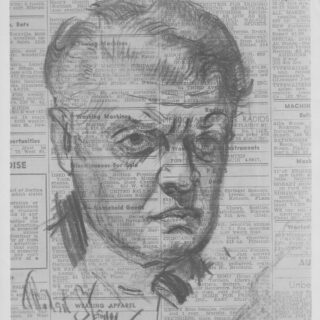
Charles J. Ravel
Charles J. Ravel is credited with five Doc Savage covers from August 1946 through December 1946…
Robert G. Harris (September 9, 1911 to December 23, 2007) painted numerous Doc Savage covers and was a fellow student with Emery Clarke and John Falter at the Kansas City Art Institute. Harris’s painting for The Sea Angel was reprinted as a giveaway for Doc Savage fans...
John Philip Falter (February 28, 1910 – May 20, 1982), more commonly known as John Falter, was an American artist best known for his many cover paintings for The Saturday Evening Post. He is credited for a single cover for Doc Savage Magazine: The South Pole Terror....
Edward Daniel Cartier (August 1, 1914 – December 25, 2008) was known professionally as Edd Cartier. He contributed numerous interior illustrations for doc Savage magazine, but painted only one Doc Savage cover: The Pure Evil. However, that cover is actually for the other novel in the magazine,...
Babette Rosmond (November 4, 1917 – October 23, 1997) edited Doc Savage Magazine from 1944 to 1948 though William de Grouchey was listed as Editor. Rosmond would continue working as an Editor and other positions in magazine publishing until 1975. She also wrote novels and short stories....
Though Walter Swensen (also credited as H. Swenson, Swenson, and Swensen) created 11 covers for Doc Savage Magazine and some illustrations for Astounding, little is currently written about the designer. He is not listed at David Saunders’s PulpArtists.Com.
“Modest Stein (1871–1958), born Modest Aronstam, was a Russian-born American illustrator and close associate of the anarchists Alexander Berkman and Emma Goldman. He was Berkman’s cousin and intended replacement in the attempted assassination of Henry Clay Frick, an industrialist and union buster, in 1892. Later Stein abandoned...
The first artist to paint Doc Savage’s portrait, Walter M. Baumhofer (November 1, 1904 to September 23, 1987) painted numerous covers for the pulp editions of Doc Savage Magazine. For more information visit: Pulp Artists
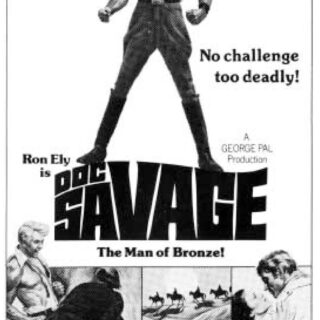
10 Tidbits about the 1975 film, Doc Savage: The Man of Bronze
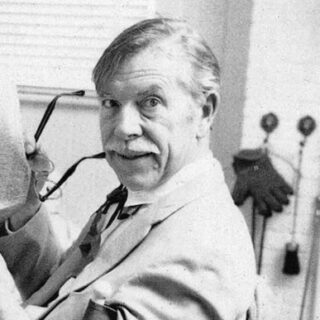
Charles Moran ( ? – ? ) replaced the original Doc Savage editor, John Nanovic, and altered the direction of Doc Savage Magazine. Moran downplayed the fantastic adventures, gadgets, and larger-than-life villains in favor of a style best described as Doc Savage, Private Investigator. Moran’s time as...
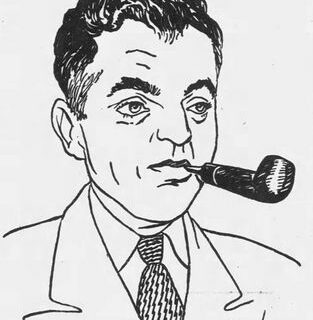
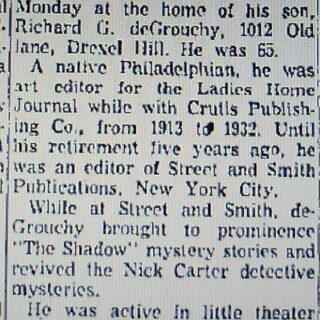
In December 1943*, Street & Smith editor and promotions manager William John de Grouchy (1889- Nov. 29, 1954) was named the Editor for Doc Savage magazine. However, Will Murray has written that Babette Rosmond actually did the work though she assigned the Doc Savage novels to her...
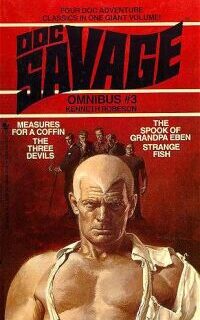
Hiram Richardson illustrated the cover of the Bantam release Doc Savage Omnibus 3. Richardson began his cover illustration career in 1976 and, like James Bama branched into fine art. More examples of his work can be found at The Paperback Palette.
John Emery Clarke (1911-1990) painted a number of Doc Savage covers for Street and Smith. “The friendship between Clarke and Gladney is poignantly recorded on the December 1938 cover of Doc Savage, which features a self-portrait of Emery Clark (top left with gray hair and glasses) beside...
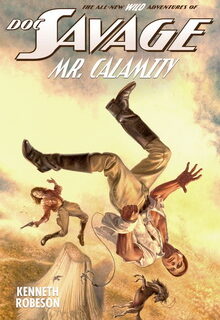
When a man so anemic that he could be a vampire’s victim comes to Patricia Savage for rescue, the impetuous girl can’t say no. Excitement is her meat and danger her dessert.
Accompanied by Doc Savage aide, Monk Mayfair, Pat finds herself in the worst danger of her life. Wanted for murder, hounded by the minions of a weird mystery figure calling himself Chief Standing Scorpion, narrowly evading the hordes of the Vinegarroon tribe, the bronze-skinned golden girl battles her way to a sinister secret cached in an ancient ruin.
From the oilfields of Oklahoma to the forbidding Ozark Mountains, the trail of scorpionic doom winds. Will Pat Savage’s first great adventure also be her last?